

Self-awareness and truth are symbolized by mirrors. In fairy tales such as Snow White, vanity and honesty are reflected by these objects. Although white appears to be innocent and pure, it is often used ironically in literature. In Moby Dick (both purity and terror are represented by the white whale), highlighting the blinding and unknowable essence of truth. Life, renewal, and fertility are associated with green; however, it also signifies jealousy and greed. In The Great Gatsby, the green light across the bay symbolizes hope and the elusive American dream. In literature, red is one of the colors that evoke strong emotions. It symbolizes love, power, anger, and desire.
Additionally (the rainstorm during Andy’s escape scene symbolizes a cleansing and renewal), marking the beginning of his new life. For example, a white dove often symbolizes peace, while a dark, stormy sky might represent impending danger or turmoil. The use of flowers as symbols transformed during the Renaissance (14th-17th centuries), regaining significance from Classical antiquity and evolving into the Victorian ‘language of flowers’ renowned for its intricate meanings in social and romantic contexts.
It’s important to remember that sometimes a storm on the horizon simply represents bad weather. A more sophisticated way of approaching symbolism would be to say that things have symbolic qualities only in certain contexts, and sometimes they do not symbolize anything at all. Victor’s pursuit of the monster across the frozen north symbolizes his alienation from society — resulting from his dangerous experiments. In the final scene with the carousel, the rain symbolizes Holden’s cleansing of his eternal discontent and grumbling. Sometimes it represents power, God, or divine forces.
One of the reasons for the lasting appeal of floral symbolism in literature is its ability to convey timeless themes and emotions. In Geoffrey Chaucer’s “The Canterbury Tales,” the daisy symbolizes the https://theracingforum.co.uk/racing-articles/vapes-the-new-smoking-style/ narrator’s love for a woman who embodies these qualities. This association with love and passion can be found in numerous classic texts, including William Shakespeare’s “Romeo and Juliet,” where the rose represents the star-crossed lovers’ passion for each other.

The captivating power and enduring appeal of flowers as a literary device are revealed through the exploration of floral symbolism in poetry and literature. As we appreciate the beauty and significance of flowers, let us not forget their ability to inspire our imaginations and touch our hearts across time. Flowers maintain their symbolic importance in our daily lives, enabling us to express our emotions and feelings through their beauty and fragrance. The way contemporary authors reinterpret and adapt classic motifs of floral symbolism for modern readers showcases its enduring influence in literature. The diverse and rich language of flowers also contributes to the lasting impact of floral symbolism in literary works.
When an author describes a rose,they might not just mean a flower—they might be talking about love, passion,or beauty. Ironically, the same traits that made it valued for draining swamps—rapid growth and prolific seeding—enabled its transformation from champion tree to ecological enemy within a century. The Gulmohar , Delonix regia, traveled from Madagascar to India through nineteenth-century colonial botanical networks, becoming deeply embedded in Indian culture despite arriving only recently.
Swiss psychologist Carl Jung claimed that certain patterns recur across cultures, and stories resonate with them due to their familiarity. Through their placement and repetition — red roses acquire symbolic meaning. A change in a carrier is interpreted by you as information. A pristine uniform, a shirt with stains, or an item kept “too safe” may indicate status, shame, denial, or control.
But, this book should inspire the botanically-minded to look at plants in a different way to the usual preoccupation with structure and function and utility of plants. That having been said, one can only imaging the tome getting bigger in time as more chapters are added to ensure an even more globally-encompassing coverage. It’s not clear how much is down to the personal preference of the contributing authors or by guidance from the editor, or maybe negotiation between them. The various scholarly contributions discuss how those botanical mentions should be interpreted, and how they contribute to the relationship between plants and people.
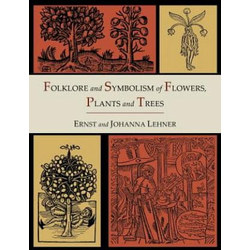
This image (in addition to its aesthetic beauty), is a metaphor for the transience of life and personal transformation Of the characters. In Japanese literature — they symbolize the beauty of life and mortality, reminding readers of the fleeting nature of existence. From love and beauty to loss and despair — flowers often symbolize complex themes that resonate with readers. This theme finds a parallel in cinema — where grass frequently symbolizes both a return to innocence and a refuge from the harshness of modern life. Lennie’s character symbolizes nature, as his power and innocence bring him closer to animals rather than people. Even though the sea has become the source of many dangers — Odysseus managed to return to Ithaca, which symbolizes home.
️ What Does Nature Symbolize?
Imagery of grass growing and fading in the works of Thomas Hardy or Emily Dickinson often reflects the emotional growth of characters or the evolving social and personal landscapes they navigate. To indicate the passage of seasons or stages in a character’s journey, authors often employ grass in their literature, providing subtle hints to readers about the inevitable changes in time. With its universal presence and quiet symbolism (grass holds a distinctive role in both cinema and literature), where its meaning goes beyond its physical existence. In numerous works (grass symbolizes nature’s persistence), remaining unaffected by the chaos of human conflicts.
Passionflower carried Christian symbolism in Europe before Victorian culture reinterpreted it as a symbol of sensuality and exotic beauty. Jasmine has served as a ritual offering in Hindu and Buddhist worship (a fragrant fixture in Islamic gardens), and a symbol of love across cultures for two millennia. Although we think of plants as rooted in place — their global travels over the millennia offer fascinating pathways into the past and illuminate some of the most burning issues of today, including legacies of colonial violence and displacement.